
Interviews
Bending the Arc Project
Unheard Voices of Titusville
Kids In Birmingham 1963
SEARCH
MORE INTERVIEWS
MORE
MORE
Films
Kids1963
Titusville


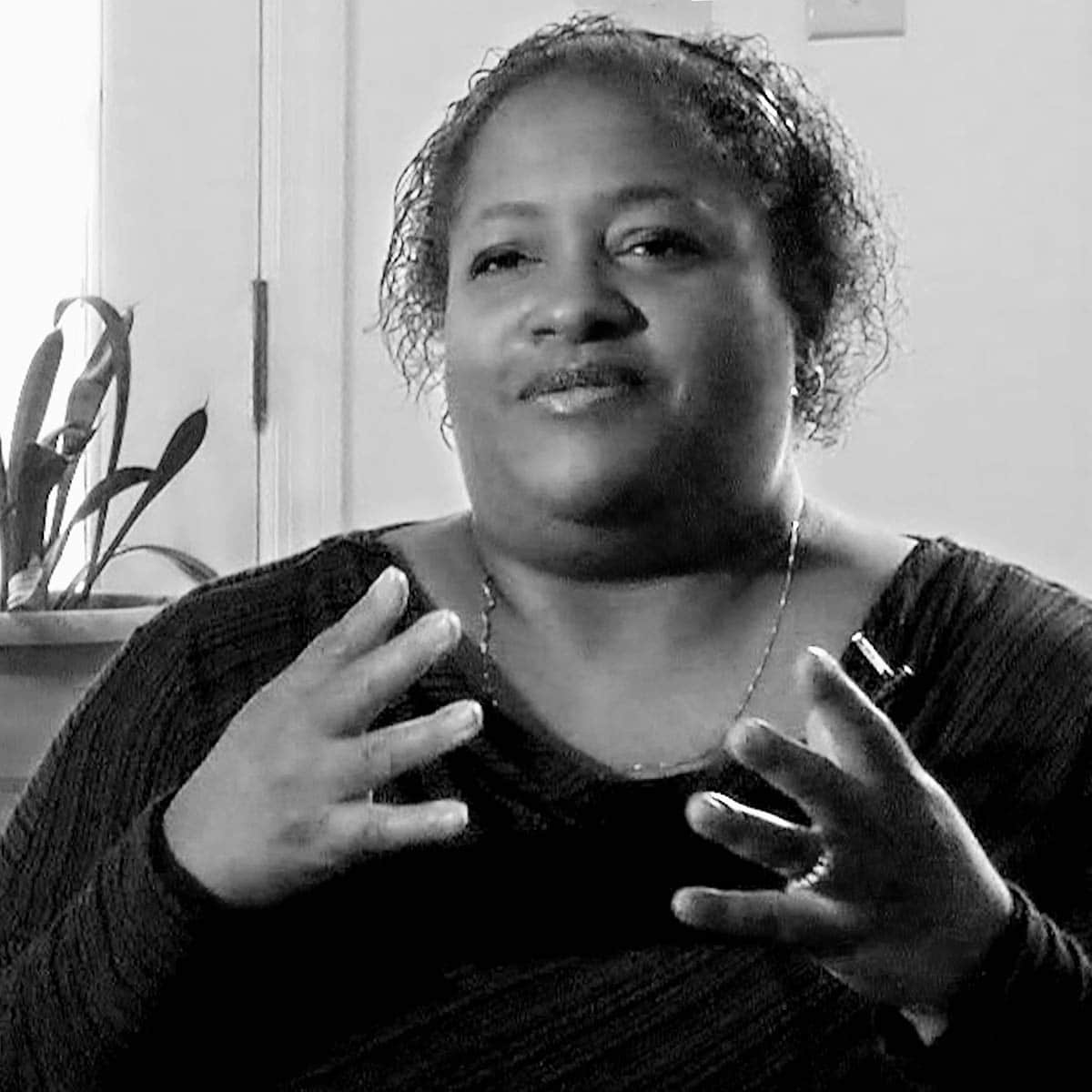


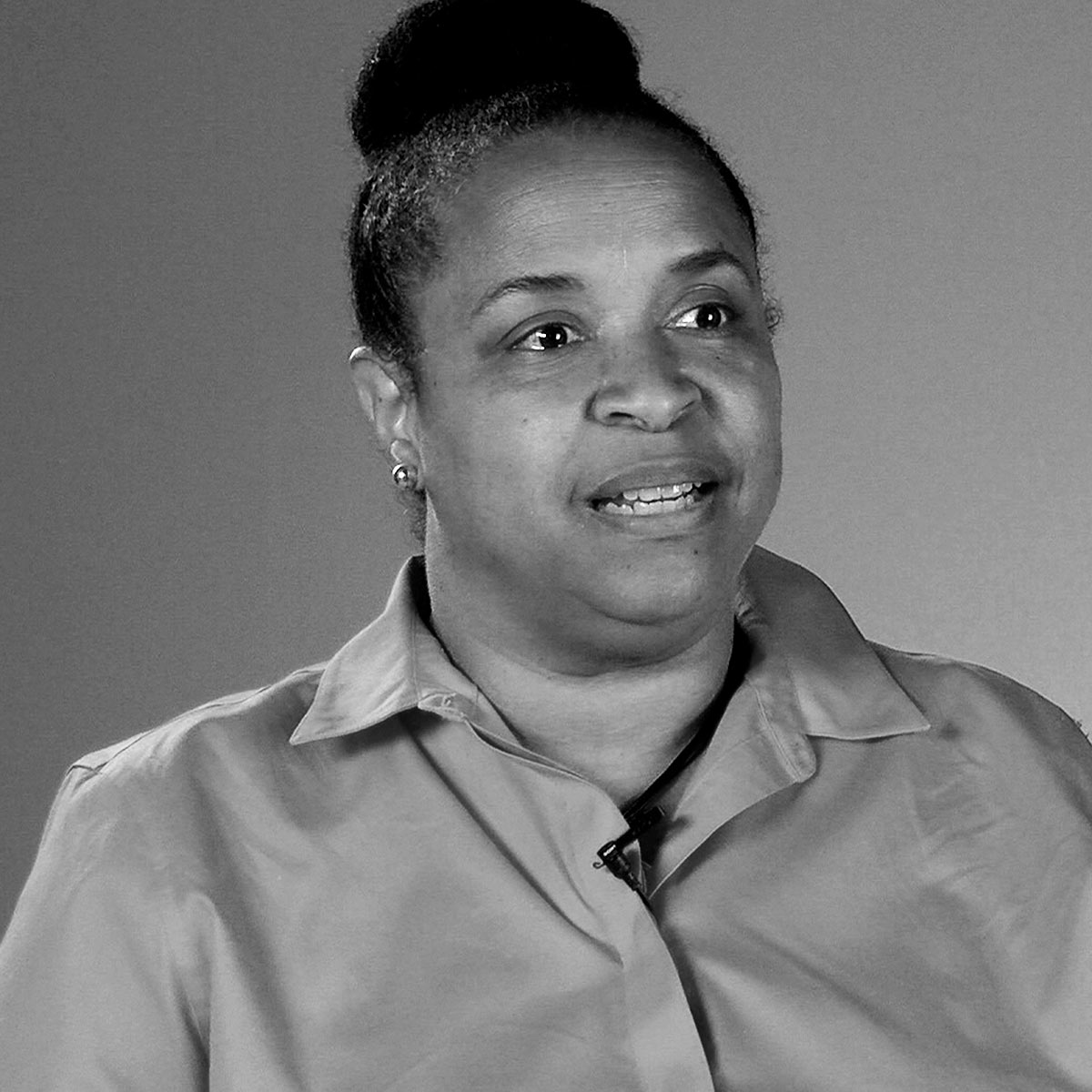
They witnessed segregation and racial strife in Birmingham.


More than a dozen longtime Titusville residents recently participated in a video-interviewing project, “Unheard Voices of Titusville,” about the community of their youth in the 1940s, ’50s and ’60s. They recalled a happily vibrant community that lacked for little, with high quality education and residents from all walks of life, including doctors, dentists, business owners, and other professionals. The Bending the Arc Project interviewed more than a dozen people for the “Unheard Voices of Titusville” project. There is a treasure trove of information and history here.


We present a special focus on those who were kids in Birmingham during 1963.


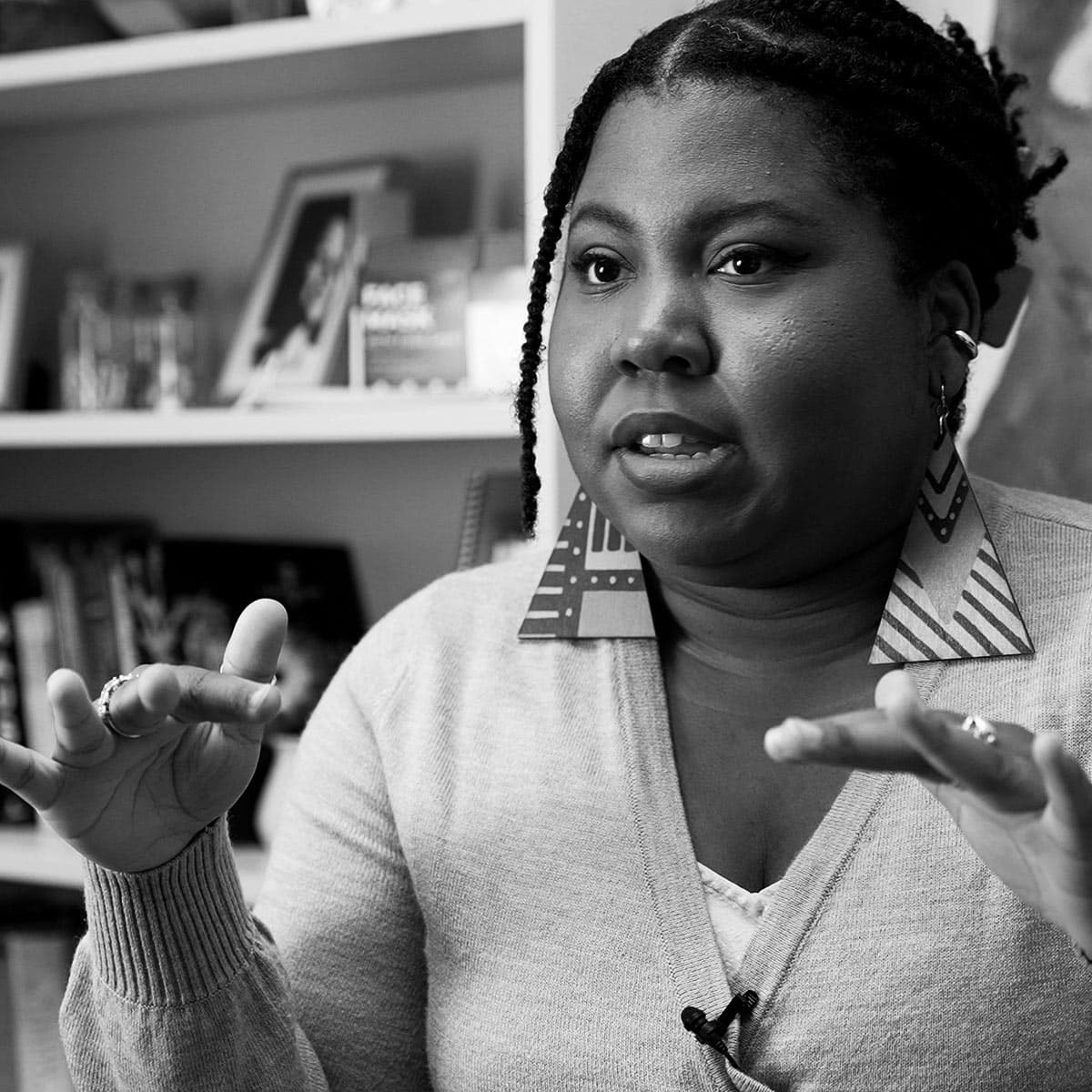
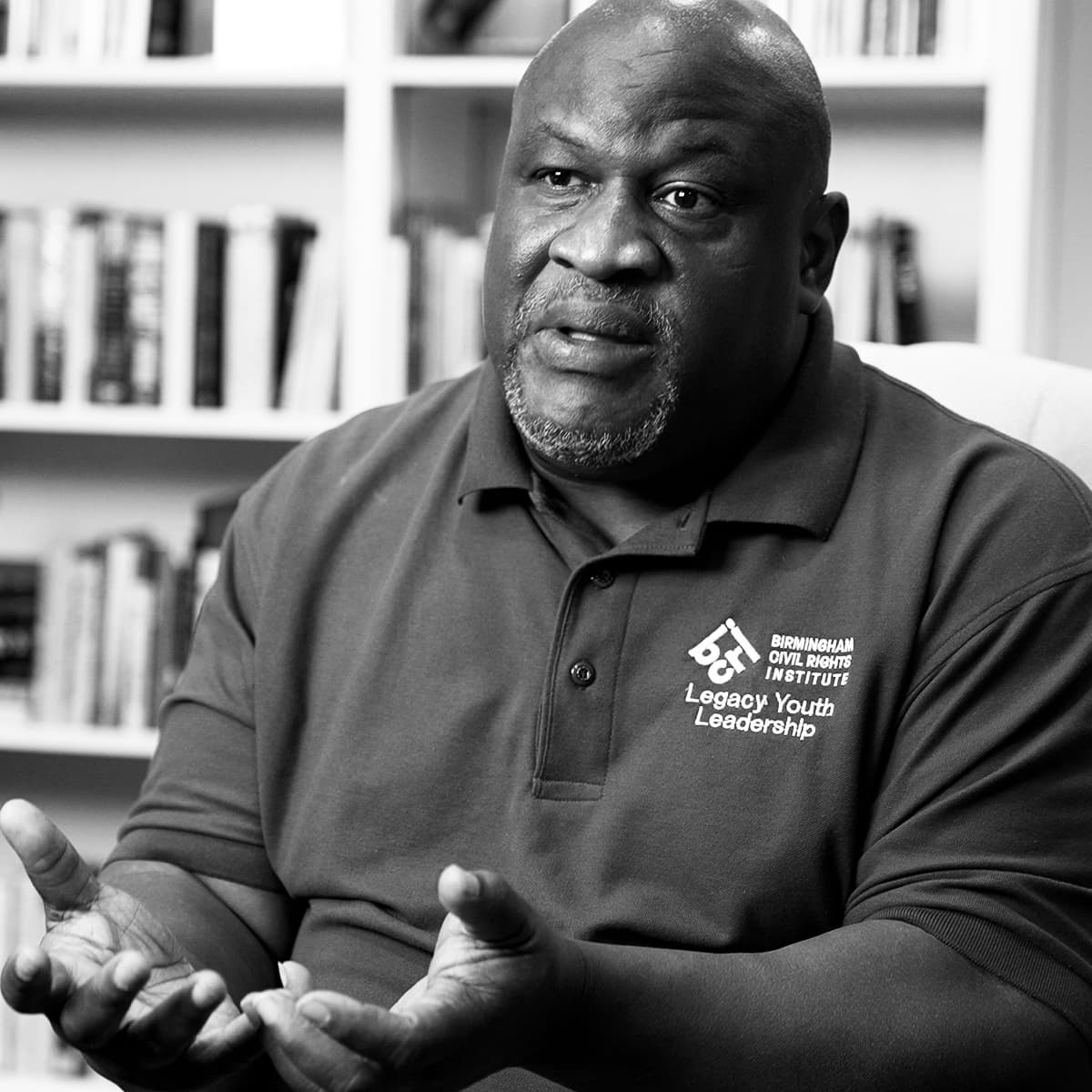
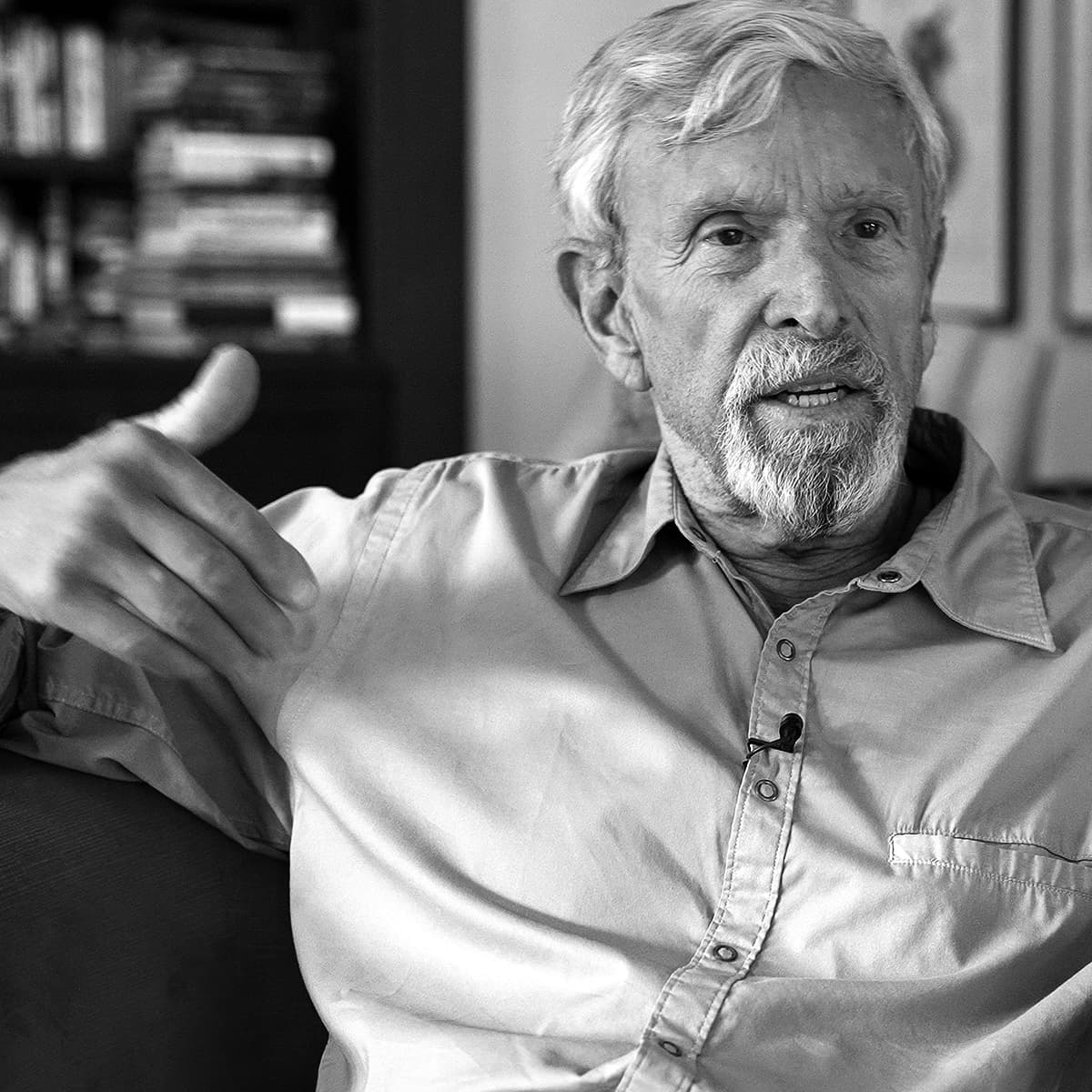
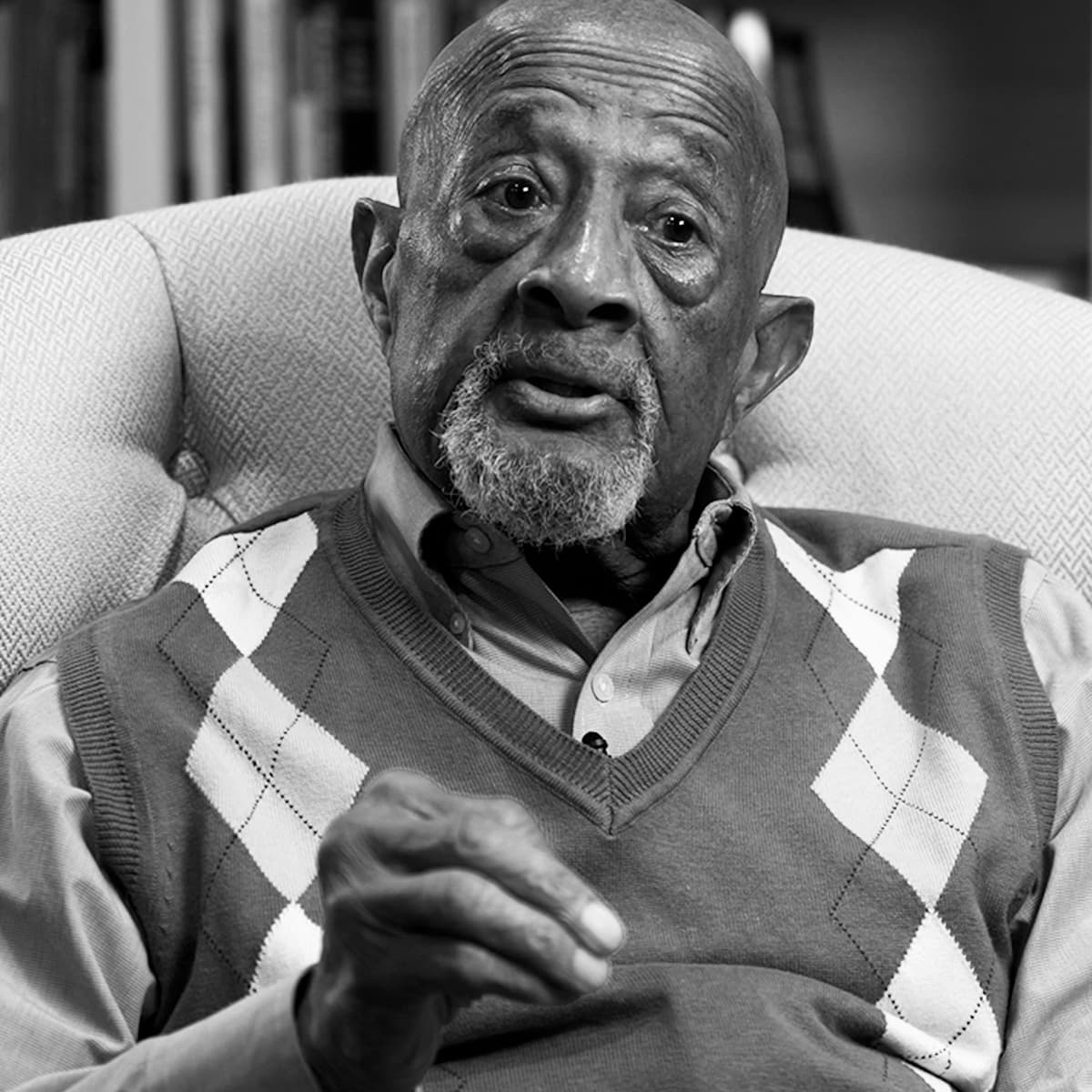
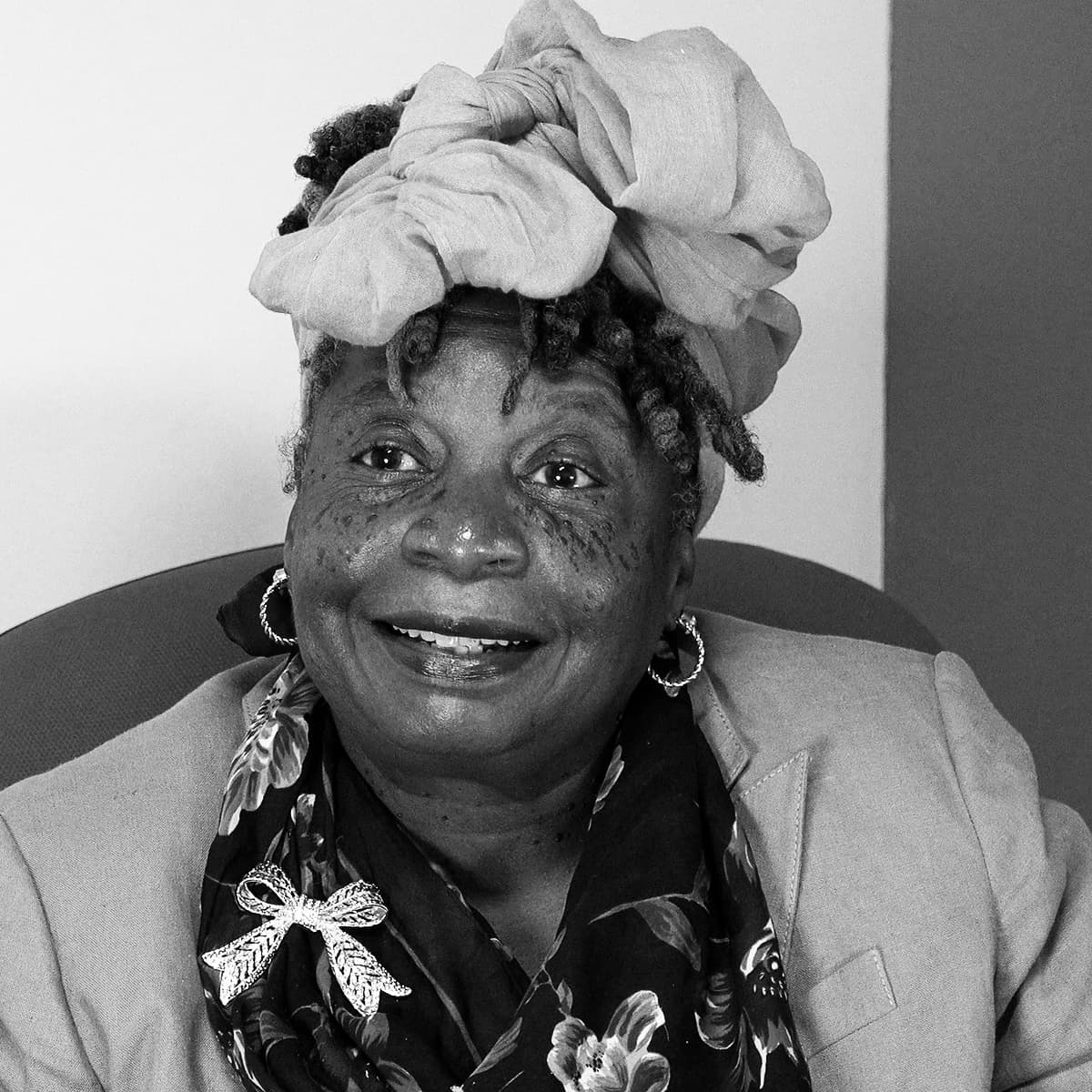
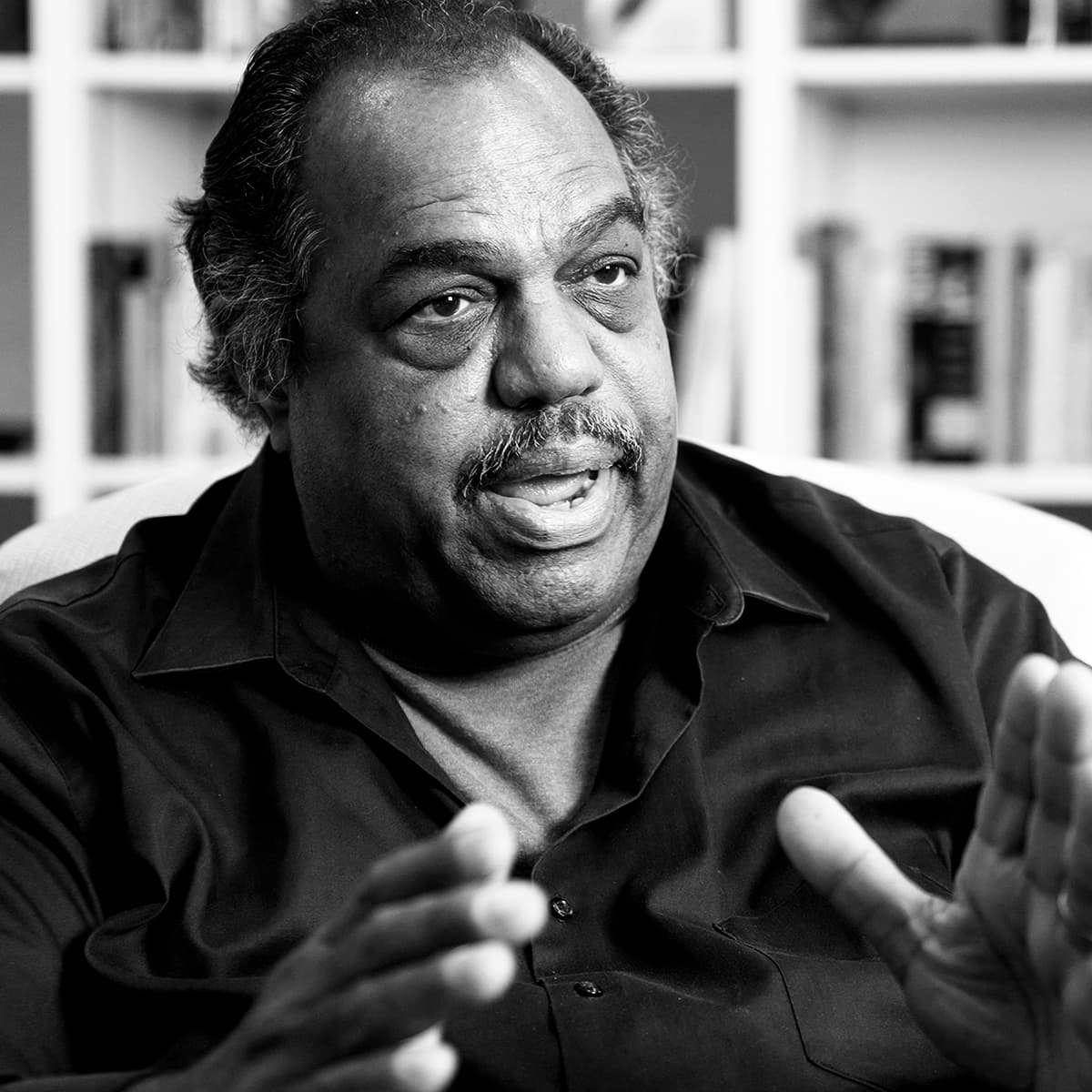
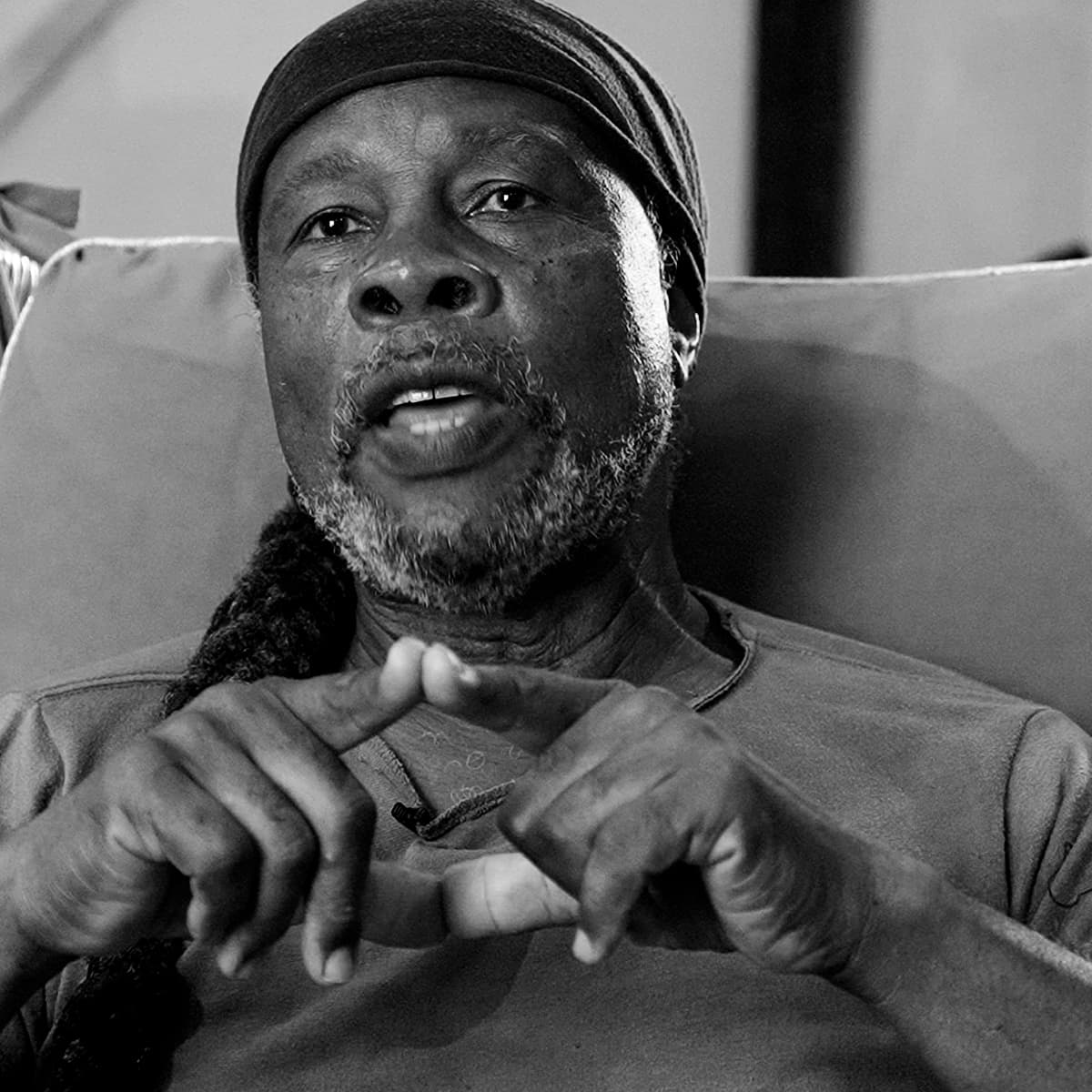
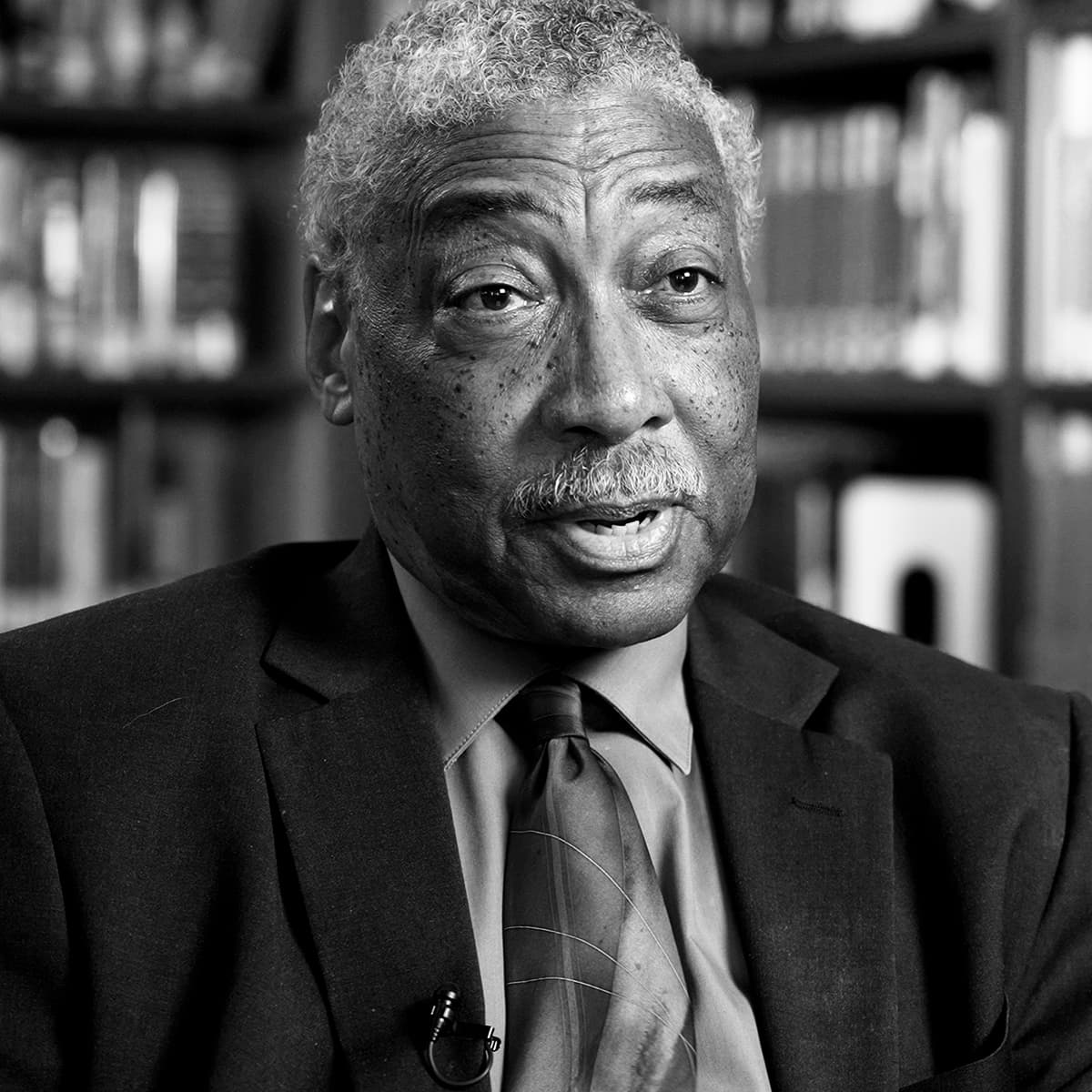
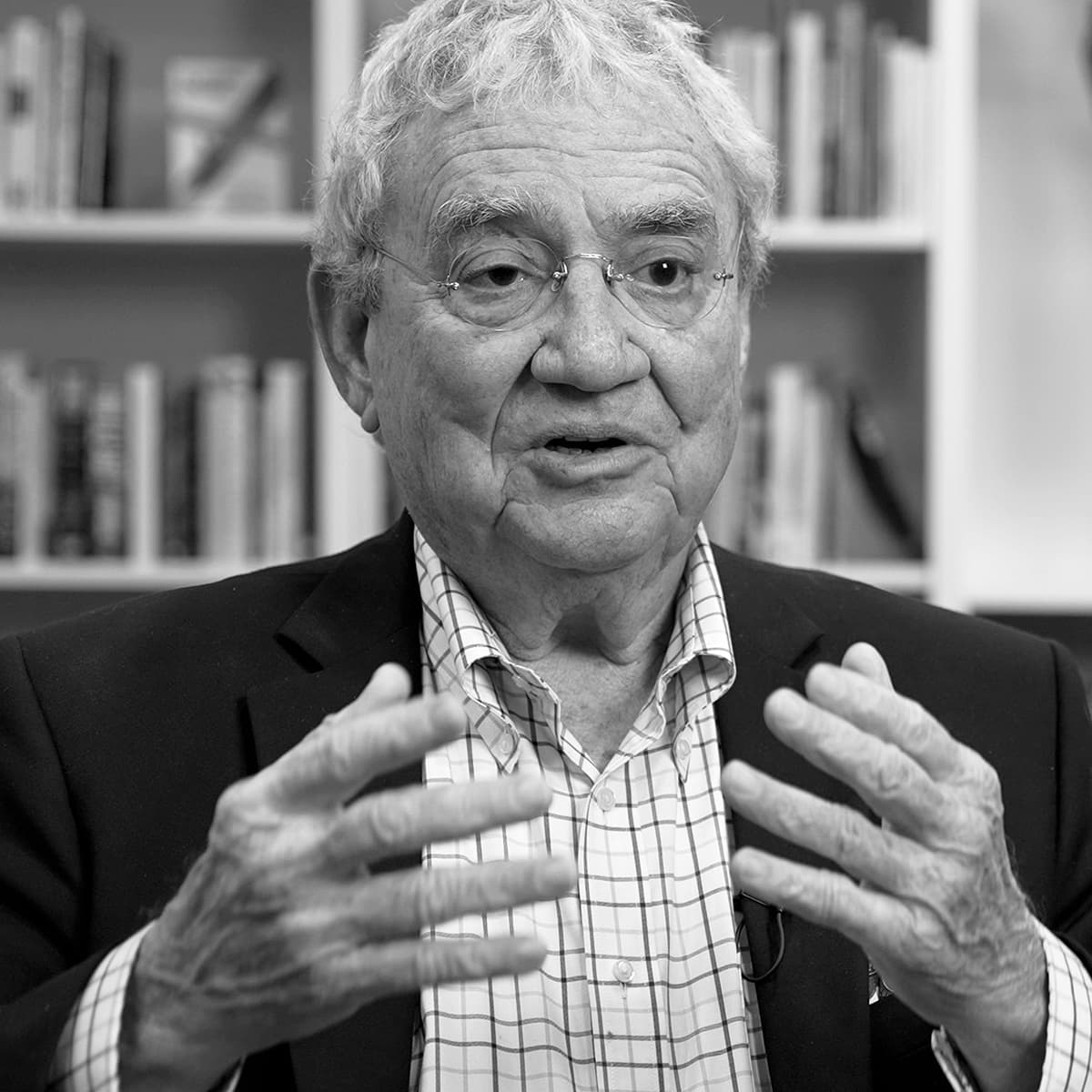
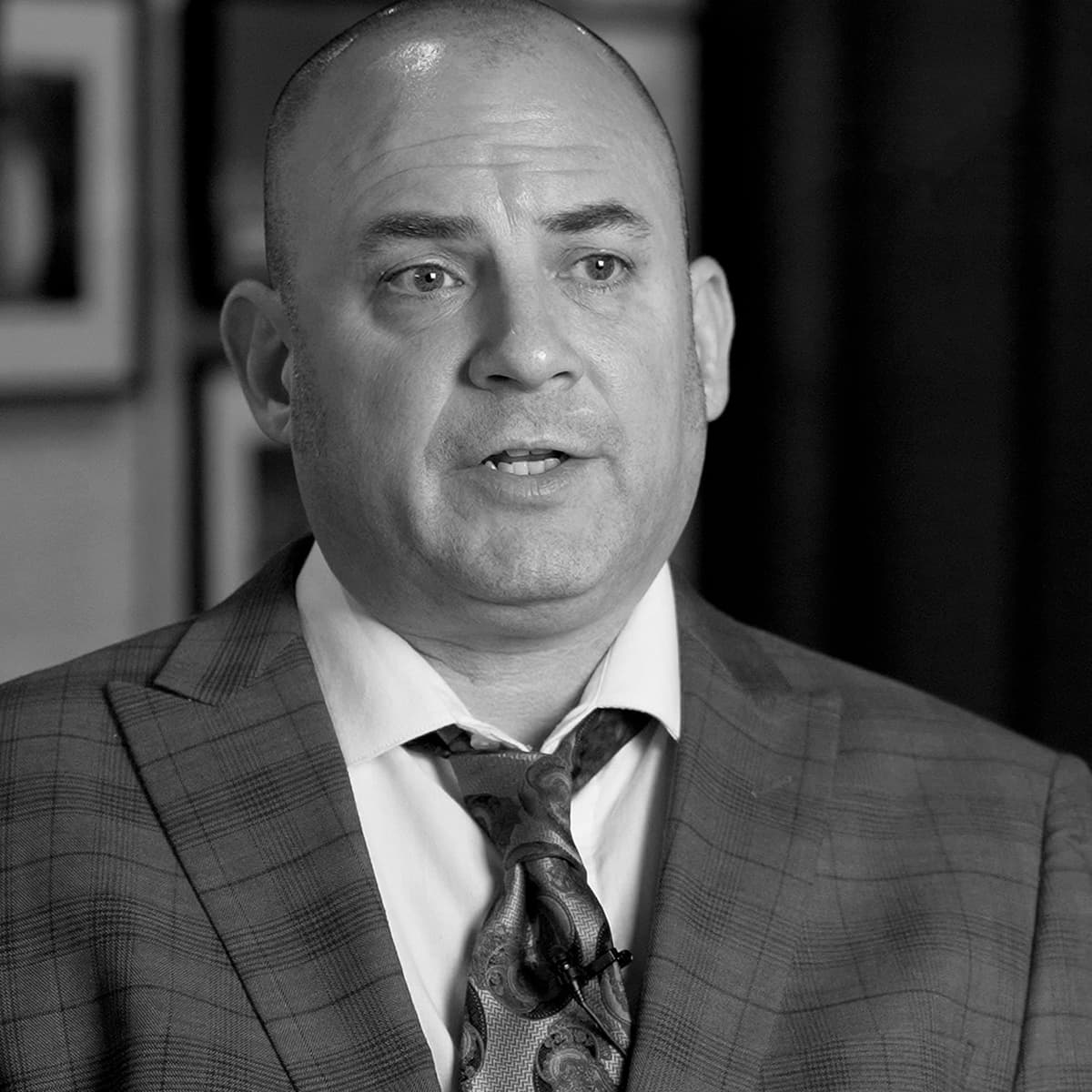
These individuals illuminate both the historical trauma of Jim Crow segregation, such as the violence during Bloody Sunday, the Children’s Crusade, and the bombing of the 16th Street Baptist Church—and the enduring impact of systemic inequality on Black identity in America. Together, their stories construct a vivid picture of Alabama’s pivotal role in shaping the nation’s civil rights narrative across generations.
Beyond documenting history, these voices actively advance community healing and reconciliation through creative and dialogue-based strategies. From former white nationalists working alongside Black activists to dismantle extremism, to artists, poets, musicians, and educators utilizing oral histories, textiles, and the classroom to foster empathy, their collective efforts emphasize transformation over division.
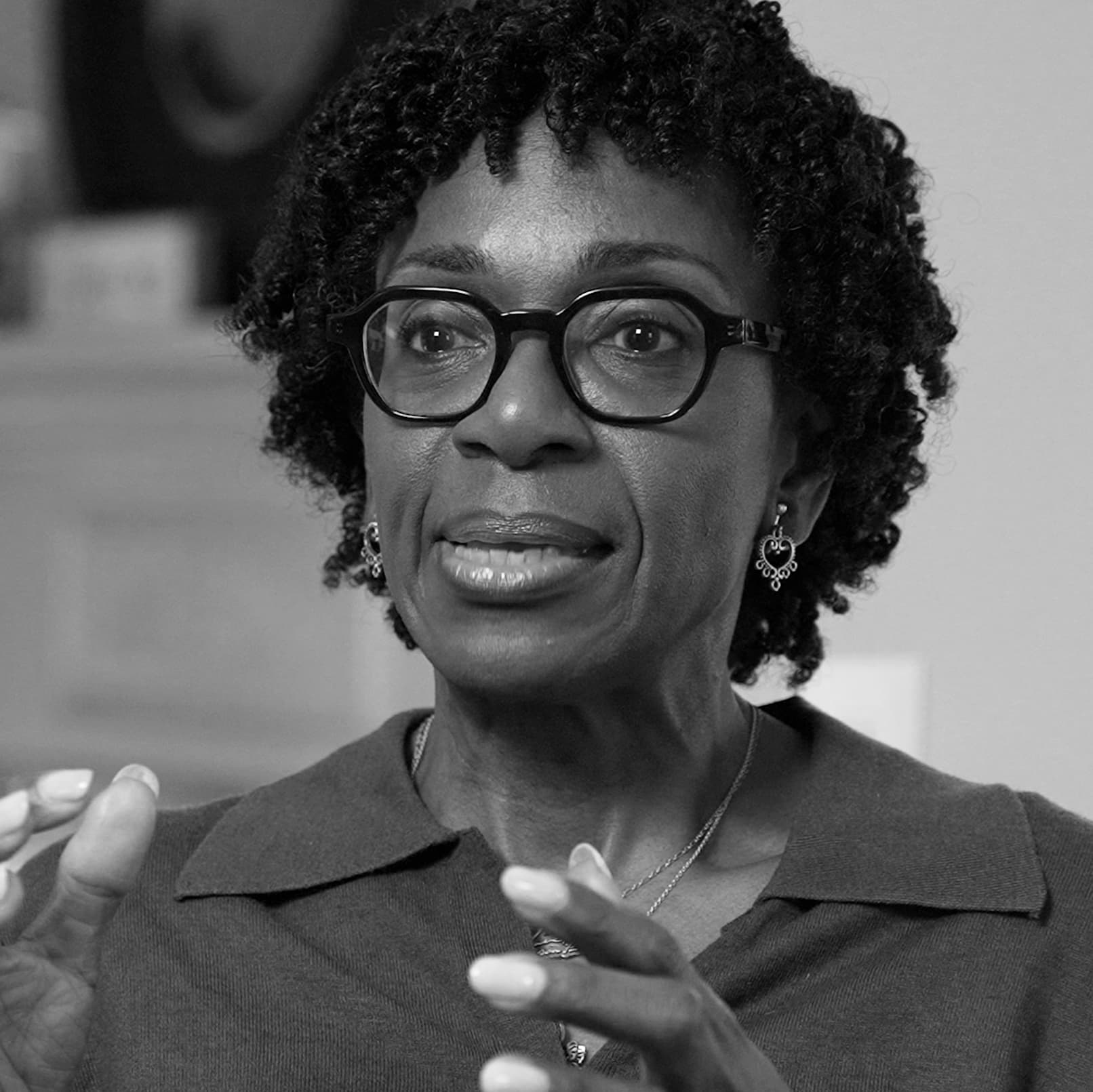
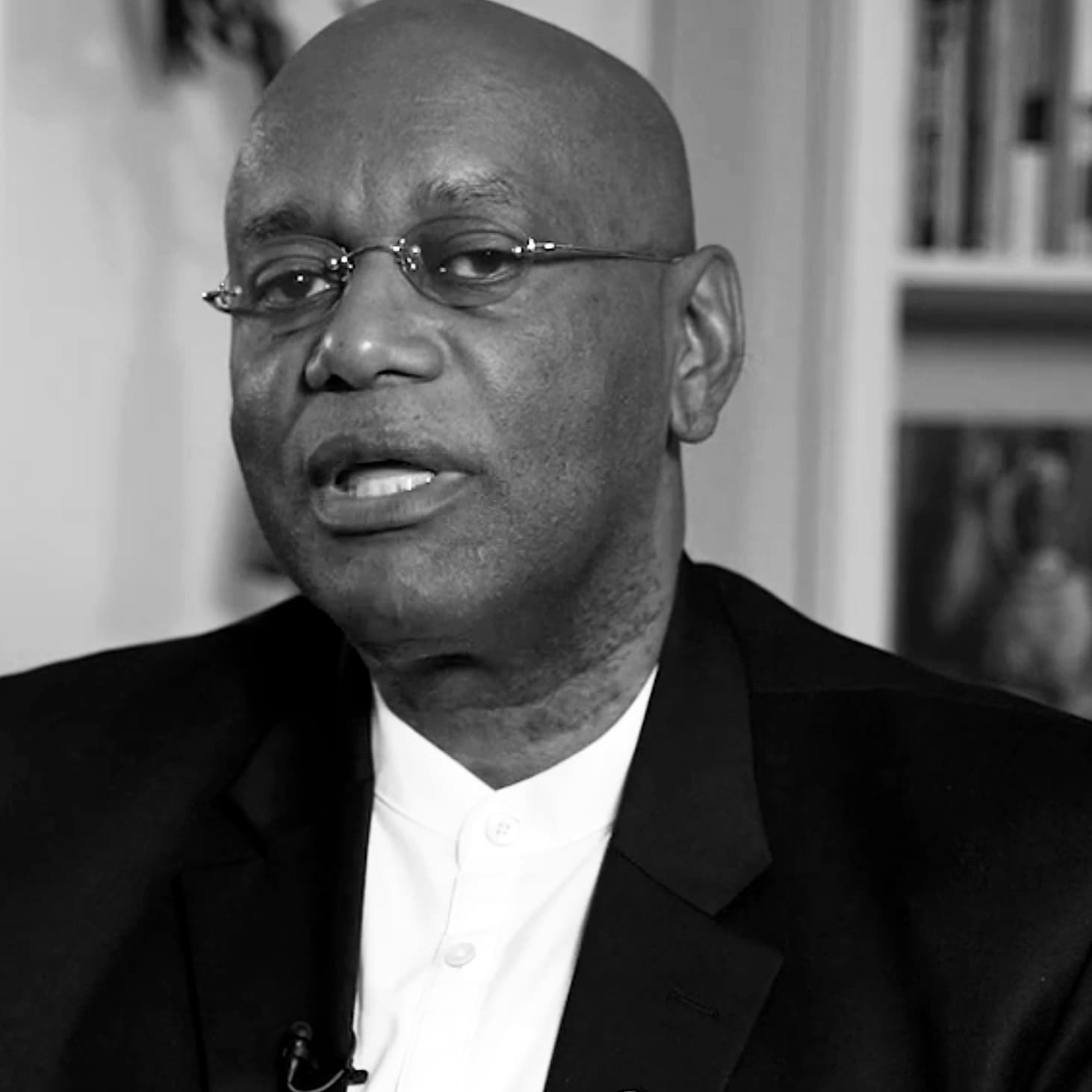
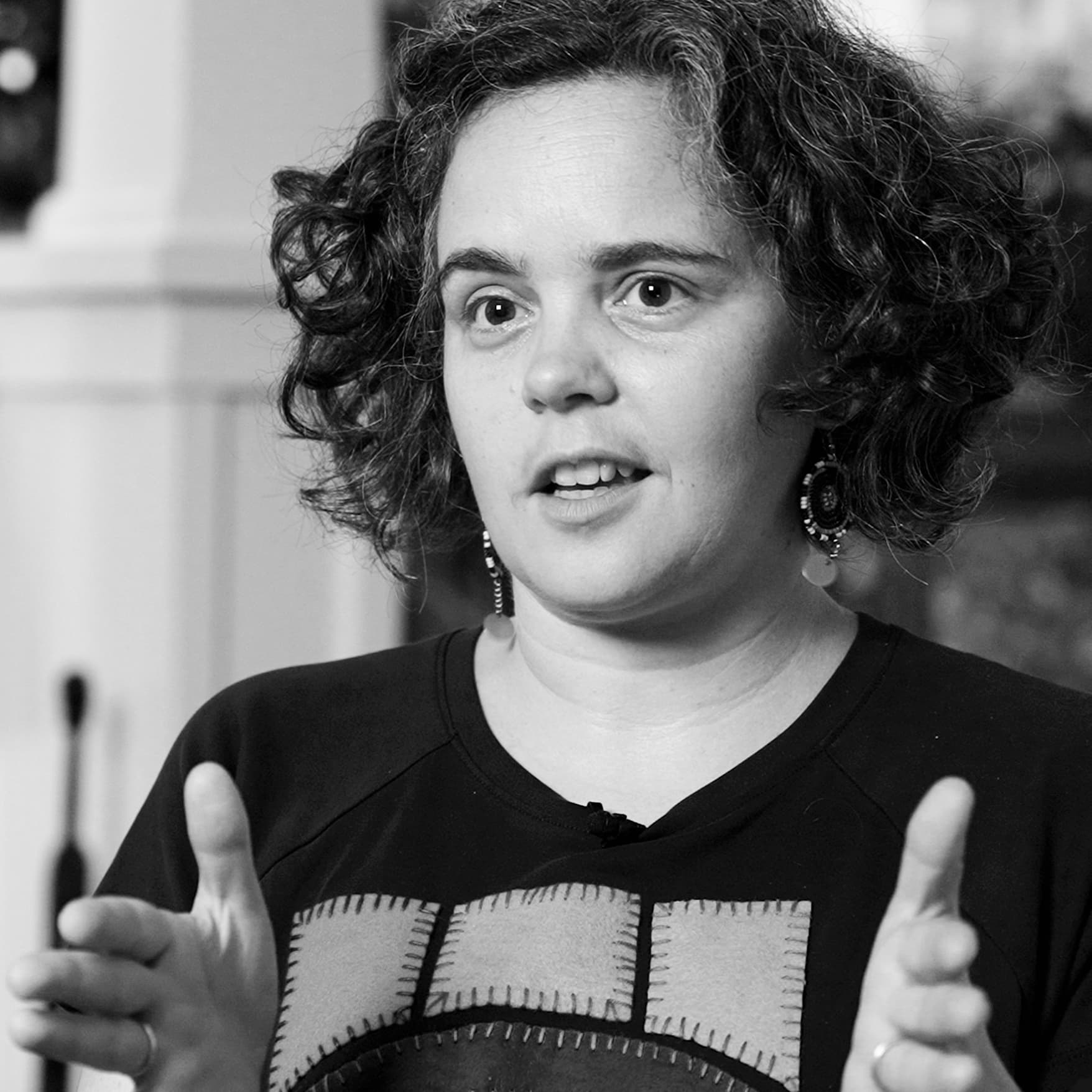
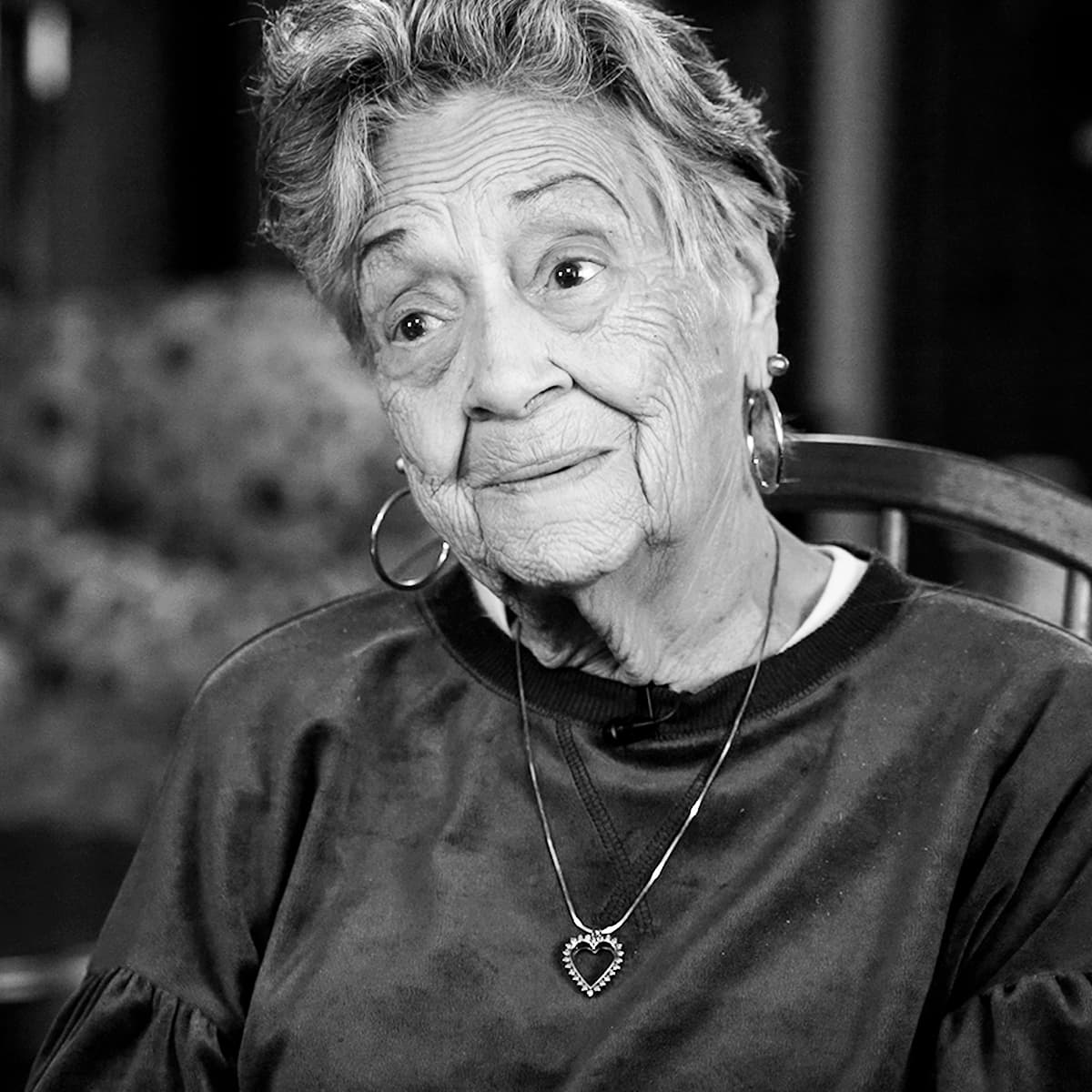
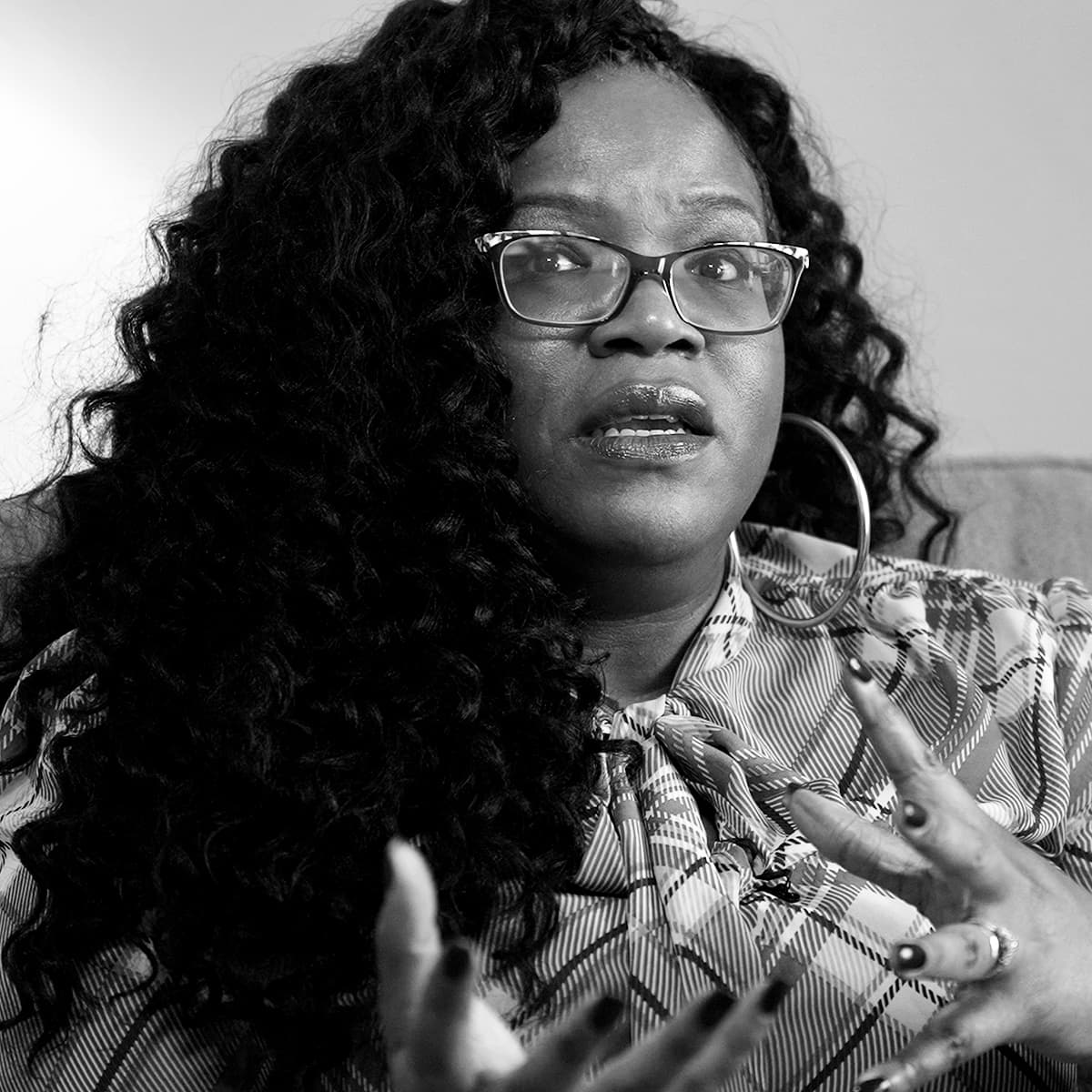
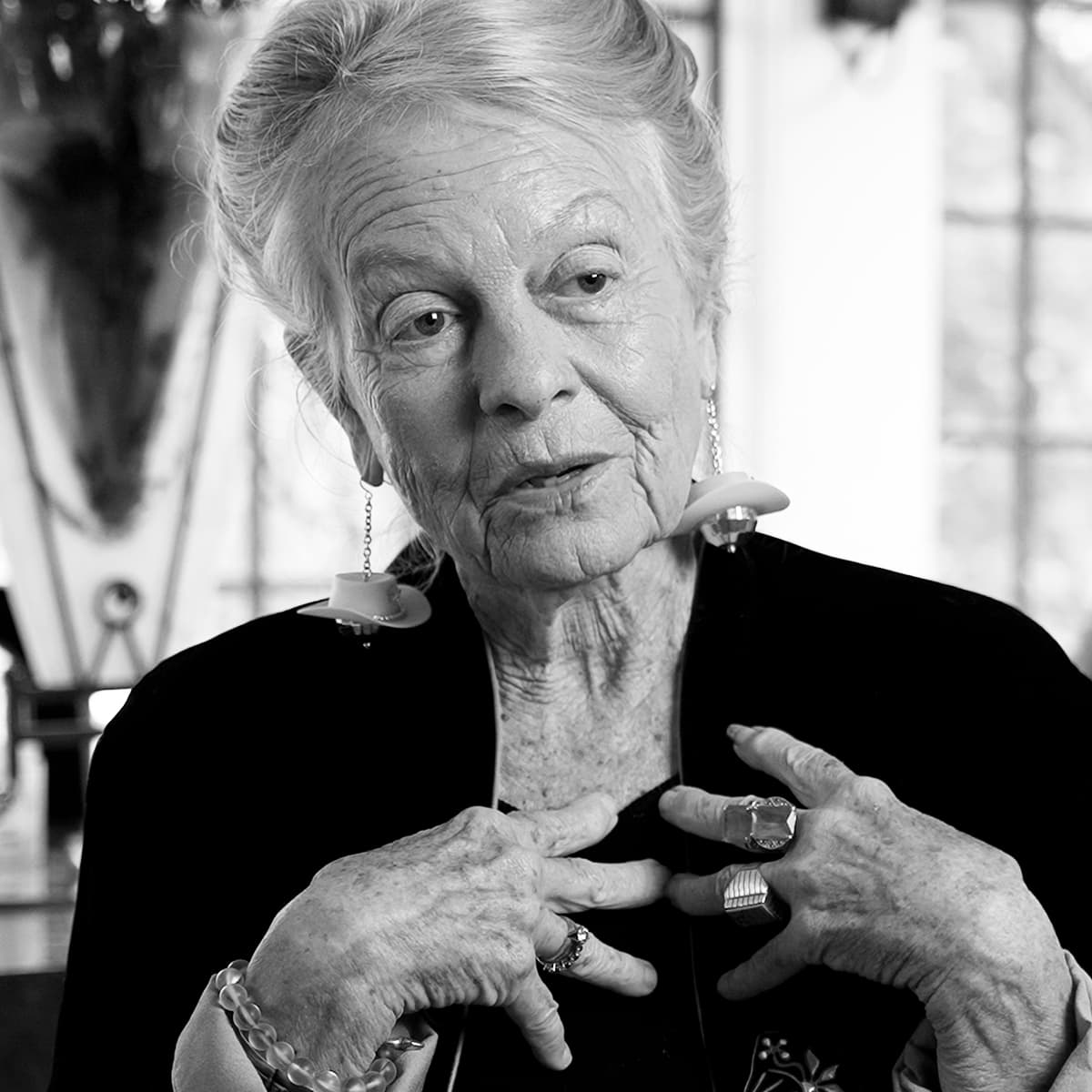
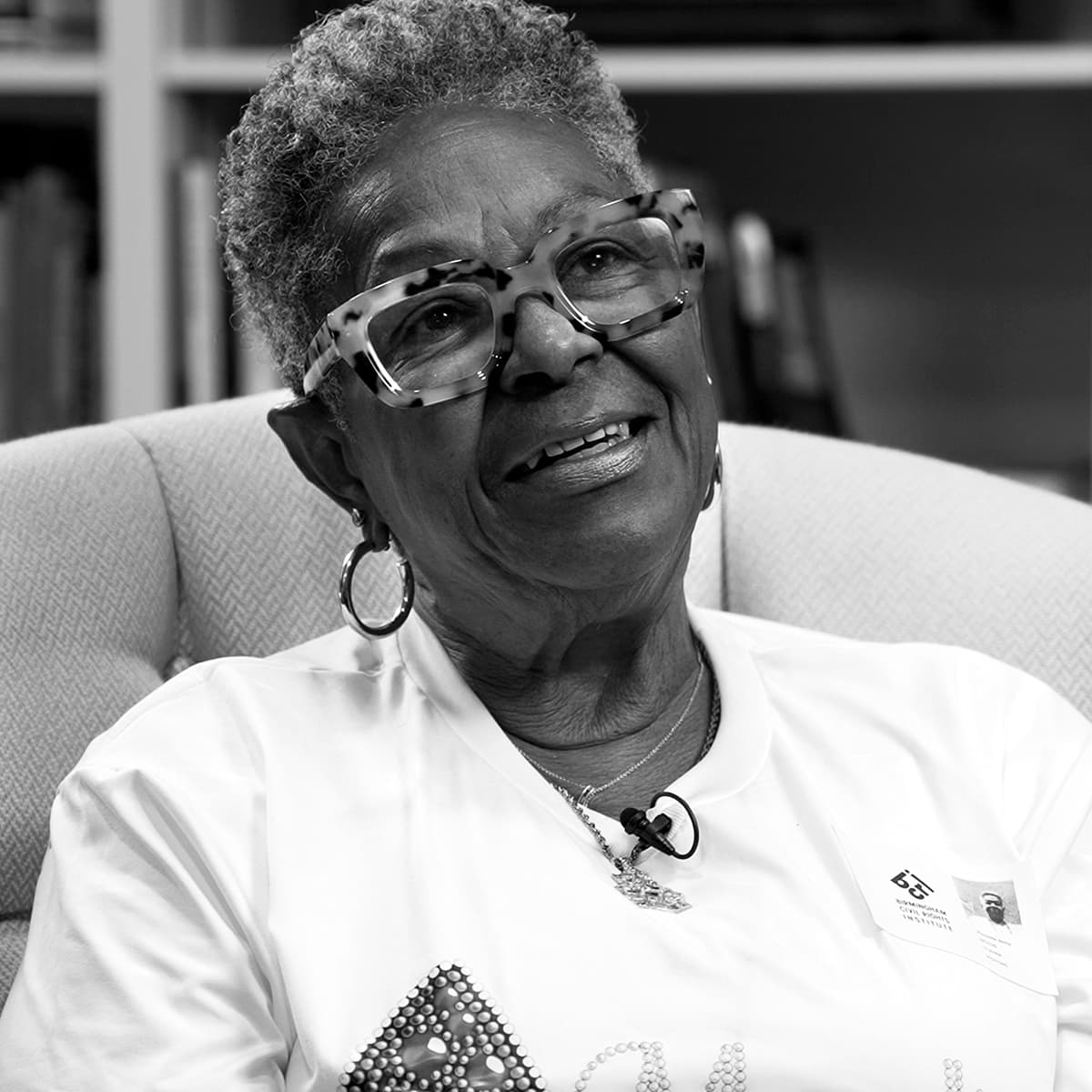
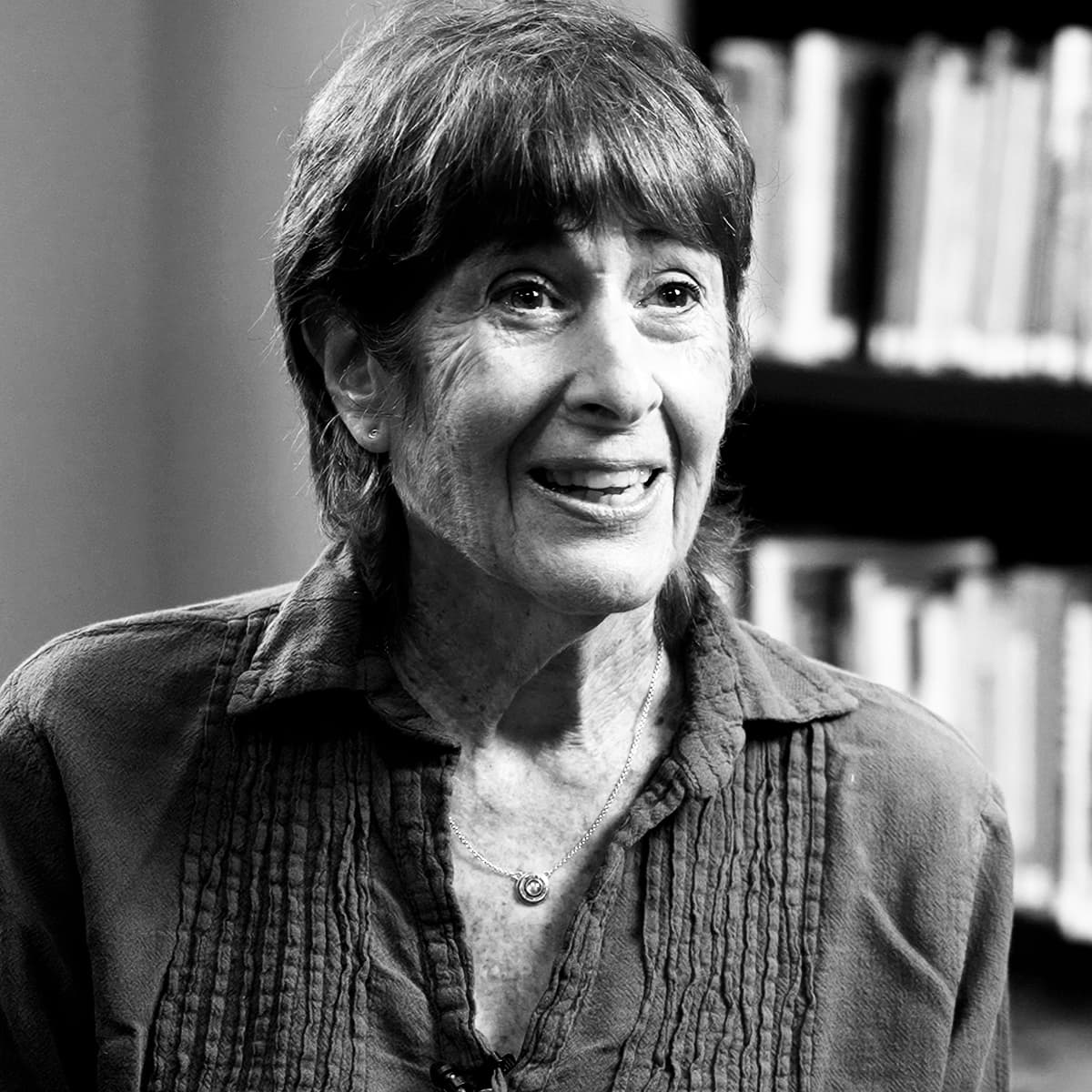
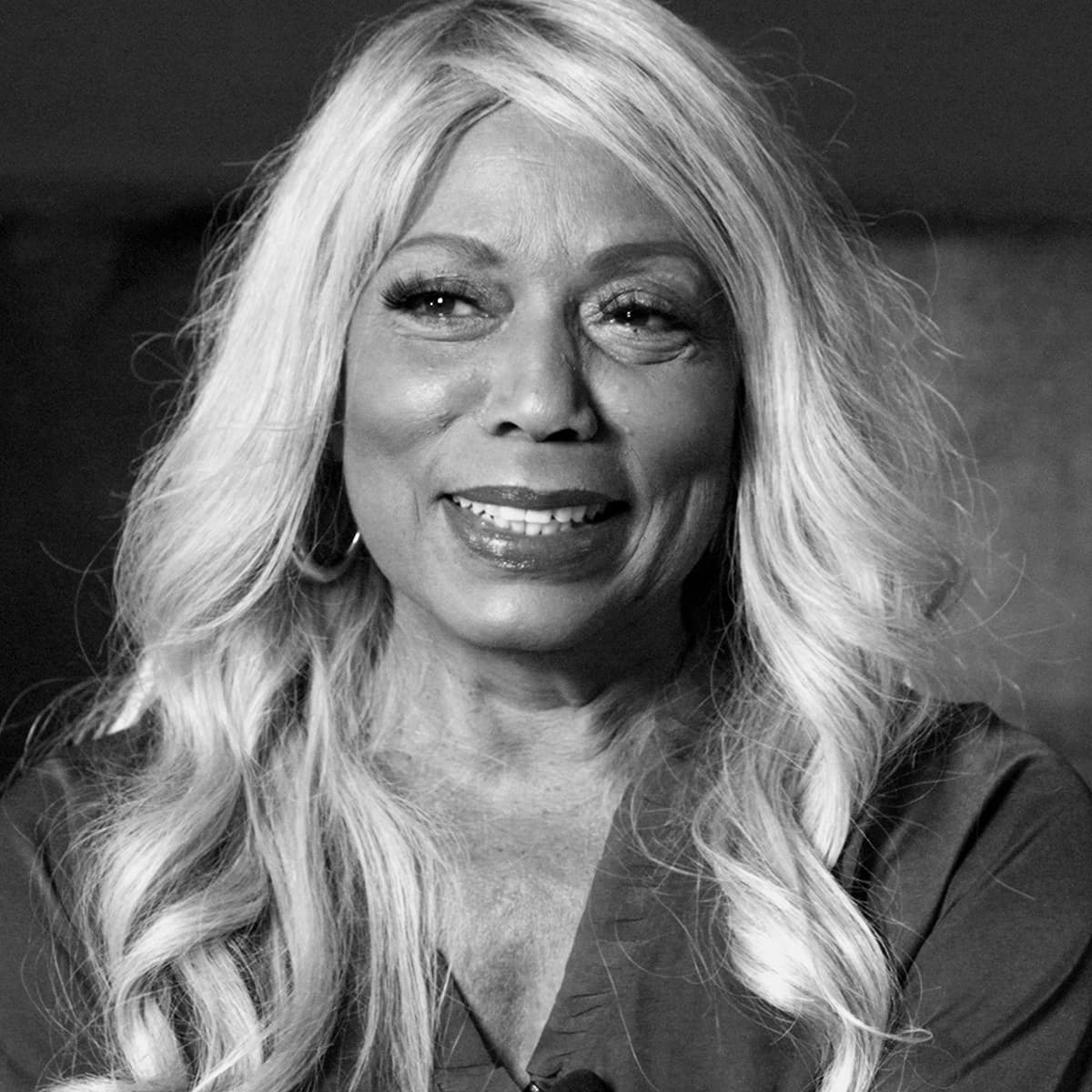
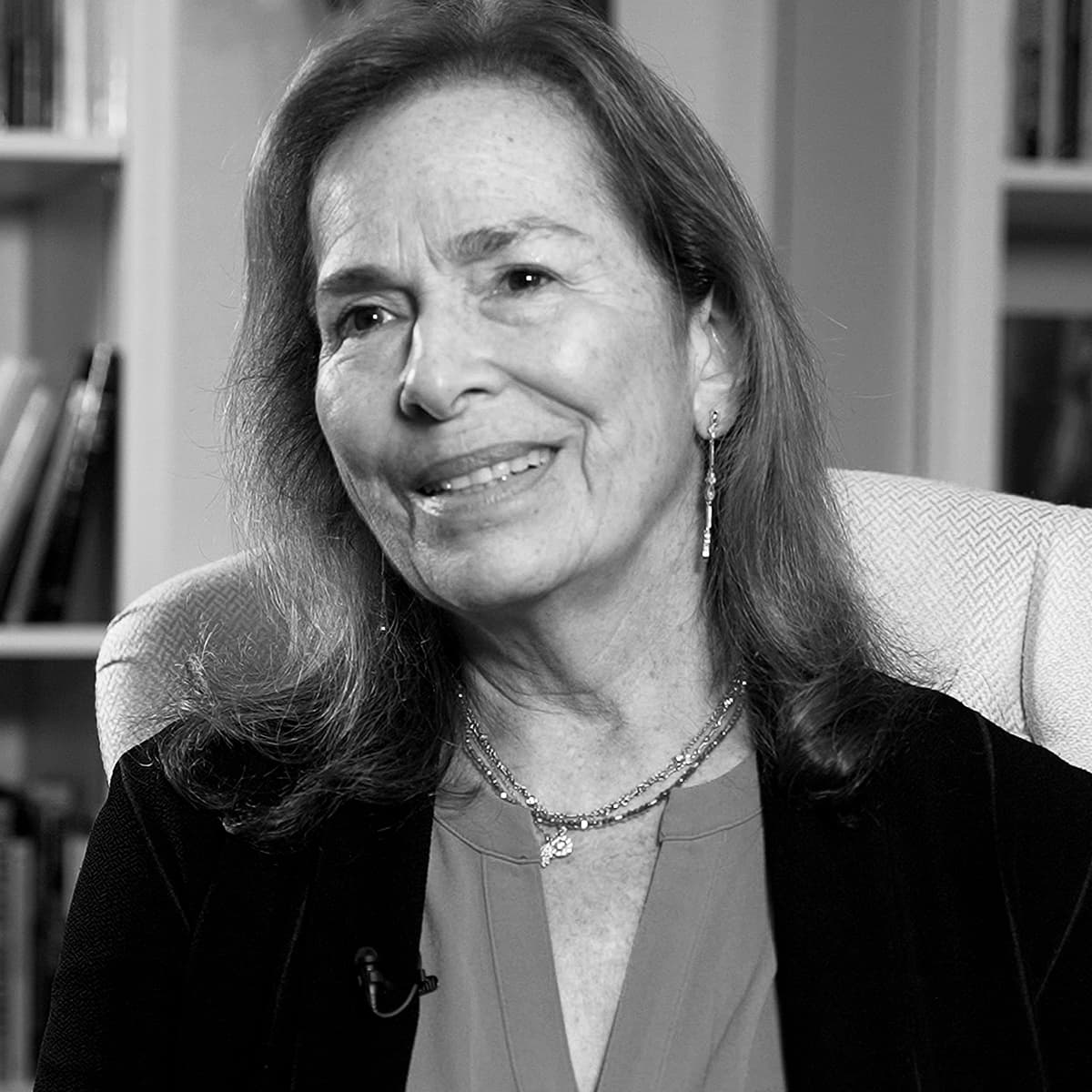


More than a dozen longtime Titusville residents recently participated in a video-interviewing project, “Unheard Voices of Titusville,” about the community of their youth in the 1940s, ’50s and ’60s. They recalled a happily vibrant community that lacked for little, with high quality education and residents from all walks of life, including doctors, dentists, business owners, and other professionals. The Bending the Arc Project interviewed more than a dozen people for the “Unheard Voices of Titusville” project. There is a treasure trove of information and history here.

These individuals illuminate both the historical trauma of Jim Crow segregation, such as the violence during Bloody Sunday, the Children’s Crusade, and the bombing of the 16th Street Baptist Church—and the enduring impact of systemic inequality on Black identity in America. Together, their stories construct a vivid picture of Alabama’s pivotal role in shaping the nation’s civil rights narrative across generations.
Beyond documenting history, these voices actively advance community healing and reconciliation through creative and dialogue-based strategies. From former white nationalists working alongside Black activists to dismantle extremism, to artists, poets, musicians, and educators utilizing oral histories, textiles, and the classroom to foster empathy, their collective efforts emphasize transformation over division.
The Bending the Arc Project features the stories of both African Americans and a small group of little-known white allies who fought for racial justice during the Civil Rights Movement.
info@bendingthearcproject.com
(205) 945-8109
The Bending the Arc Project features the stories of both African Americans and a small group of little-known white allies who fought for racial justice during the Civil Rights Movement.
info@bendingthearcproject.com
(205) 945-8109
Copyright © 2026 Bending The Arc Project